
Exploring the World of Sterile Injectable Formulations

Sterile injectable formulations represent a critical segment of pharmaceutical manufacturing. These products require stringent quality controls and advanced technology to ensure safety, efficacy, and compliance with global regulatory standards. The manufacturing of sterile injectables involves complex processes that demand precision, cleanliness, and adherence to Good Manufacturing Practices (GMP). This article explores the various aspects of sterile injectable formulations, highlighting their importance, manufacturing challenges, and the role of contract manufacturing organizations (CMOs) in delivering high-quality products to the global healthcare market.
Understanding Sterile Injectable Formulations
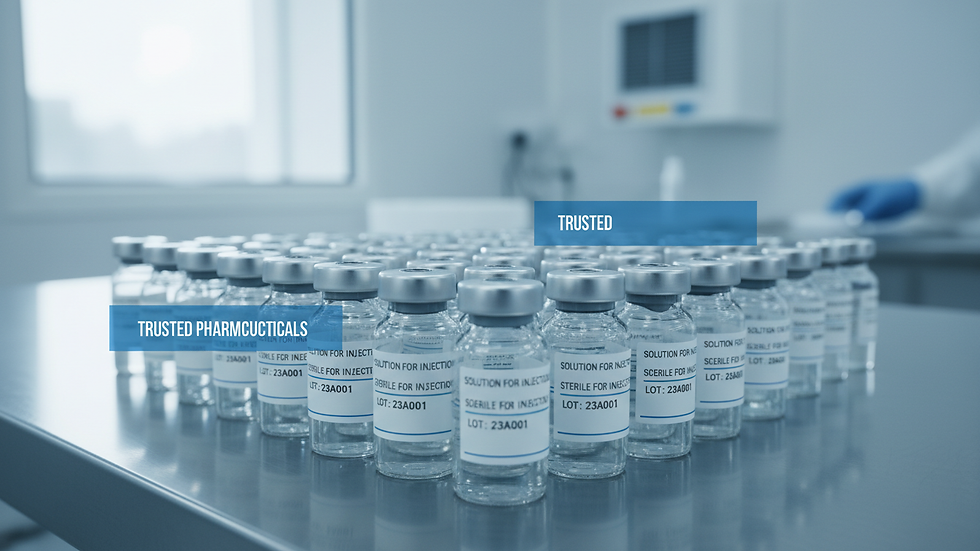
Sterile injectable formulations are pharmaceutical products designed for administration via injection, requiring absolute sterility to prevent contamination and infection. These formulations include liquid ampoules, vials, lyophilized powders, and emulsions. Each type serves specific therapeutic purposes and requires tailored manufacturing processes.
Liquid Ampoules and Vials: These are the most common forms, containing solutions or suspensions ready for injection. They must be free from particulate matter and microbial contamination.
Lyophilized Products: Also known as freeze-dried formulations, these require reconstitution before administration. Lyophilization enhances the stability and shelf life of sensitive drugs.
Emulsions: These are mixtures of two immiscible liquids, often oil and water, used to deliver drugs that are poorly soluble in water.
The production of sterile injectables demands controlled environments such as cleanrooms, validated sterilization methods, and rigorous quality assurance protocols. The goal is to ensure patient safety and therapeutic effectiveness.
Manufacturing Challenges in Sterile Injectable Formulations
Manufacturing sterile injectables involves overcoming several technical and regulatory challenges. The complexity arises from the need to maintain sterility throughout the production process, from raw material handling to final packaging.
Key Challenges Include:
Sterility Assurance: Ensuring the absence of viable microorganisms requires validated sterilization techniques such as autoclaving, filtration, or aseptic processing.
Contamination Control: The manufacturing environment must be strictly controlled to prevent particulate and microbial contamination. This includes air filtration, personnel gowning, and equipment sterilization.
Formulation Stability: Many injectable drugs are sensitive to temperature, light, and pH. Formulation scientists must optimize excipients and packaging to maintain drug stability.
Regulatory Compliance: Adherence to WHO-GMP and other international standards is mandatory. This involves comprehensive documentation, process validation, and regular audits.
Scale-Up and Technology Transfer: Transitioning from laboratory-scale to commercial production requires careful planning to maintain product quality and process consistency.
Contract manufacturing organizations specializing in sterile injectables, such as farbe firma pvt ltd, play a vital role in addressing these challenges. They provide expertise, infrastructure, and regulatory support to pharmaceutical companies seeking reliable manufacturing partners.

Who are the Big 5 in Pharma?
The pharmaceutical industry is dominated by several multinational corporations known for their extensive product portfolios and global reach. These companies significantly influence drug development, manufacturing standards, and market trends. The "Big 5" in pharma typically refers to:
Pfizer - Known for a wide range of pharmaceuticals, including vaccines and sterile injectables.
Roche - A leader in oncology and biotechnology products.
Novartis - Offers diverse therapeutic solutions, including sterile injectable formulations.
Johnson & Johnson - Renowned for consumer health products and pharmaceuticals.
Merck & Co. - Specializes in vaccines, oncology, and infectious disease treatments.
These companies often collaborate with CMOs to outsource sterile injectable manufacturing, leveraging specialized facilities and expertise to meet global demand efficiently.
Quality Control and Regulatory Compliance in Sterile Injectable Manufacturing
Quality control (QC) is paramount in sterile injectable manufacturing. Each batch undergoes rigorous testing to ensure compliance with pharmacopeial standards and regulatory requirements.
Essential QC Measures Include:
Sterility Testing: Confirming the absence of microbial contamination using validated methods.
Endotoxin Testing: Detecting pyrogens that can cause adverse reactions.
Particulate Matter Analysis: Ensuring injectables are free from visible and sub-visible particles.
Assay and Potency Testing: Verifying the concentration and activity of the active pharmaceutical ingredient (API).
Container Closure Integrity: Testing seals and closures to prevent contamination during storage and transport.
Regulatory bodies such as the US FDA, EMA, and WHO enforce strict guidelines for sterile injectable products. Compliance with these standards is critical for market approval and patient safety.
Contract manufacturing organizations with WHO-GMP certification, like farbe firma pvt ltd, maintain robust quality systems and documentation to support regulatory submissions and audits.
Innovations and Future Trends in Sterile Injectable Formulations
The sterile injectable sector continues to evolve with technological advancements and changing healthcare needs. Innovations focus on improving drug delivery, enhancing patient compliance, and expanding therapeutic options.
Notable Trends Include:
Prefilled Syringes and Auto-Injectors: These devices offer convenience and reduce dosing errors, particularly for self-administration.
Biologics and Biosimilars: The rise of complex biologic drugs requires specialized sterile manufacturing capabilities.
Advanced Lyophilization Techniques: Improved freeze-drying processes enhance product stability and reduce reconstitution time.
Continuous Manufacturing: Transitioning from batch to continuous processes increases efficiency and reduces contamination risks.
Sustainability Initiatives: Efforts to minimize environmental impact through green manufacturing practices and recyclable packaging.
Pharmaceutical companies increasingly rely on experienced CMOs to implement these innovations while maintaining compliance and quality standards.
Strategic Partnerships for Global Pharmaceutical Success
The global pharmaceutical landscape demands reliable partners capable of delivering high-quality sterile injectable formulations. Contract manufacturing organizations provide scalable solutions, technical expertise, and regulatory support essential for market success.
By collaborating with a WHO-GMP certified CMO like farbe firma pvt ltd, pharmaceutical companies can:
Access state-of-the-art manufacturing facilities.
Benefit from experienced scientific and regulatory teams.
Ensure consistent product quality and supply chain reliability.
Accelerate time-to-market with efficient technology transfer.
Expand into new international markets with compliant products.
Such partnerships enable healthcare providers worldwide to access safe and effective sterile injectable medications, ultimately improving patient outcomes.

Sterile injectable formulations remain a cornerstone of modern therapeutics. Their production requires a blend of scientific precision, regulatory rigor, and manufacturing excellence. As the pharmaceutical industry advances, the role of specialized CMOs will continue to grow, supporting innovation and global healthcare delivery.

Comments