
Understanding Sterile Injectable Formulations in India

Sterile injectable formulations are critical components in modern healthcare, offering precise and effective drug delivery for a wide range of medical conditions. India has emerged as a significant player in the global pharmaceutical landscape, particularly in the manufacturing of sterile injectables. This article explores the technical aspects, regulatory environment, and manufacturing standards that define sterile injectable formulations in India. It also highlights the role of contract manufacturing organizations (CMOs) and contract development and manufacturing organizations (CDMOs) in meeting global healthcare demands.
Overview of Sterile Injectable Formulations
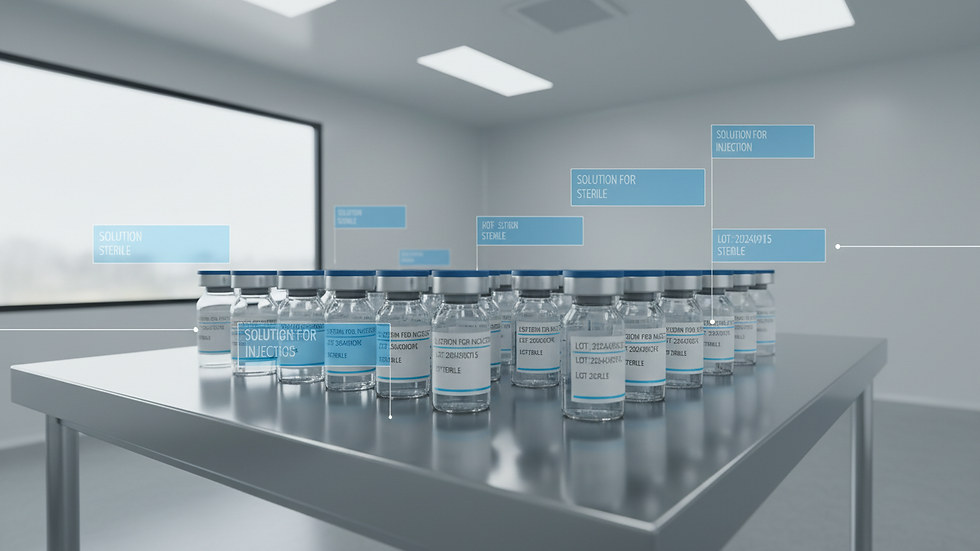
Sterile injectable formulations refer to pharmaceutical products designed for administration via injection, ensuring sterility to prevent microbial contamination. These formulations include liquid ampoules, vials, lyophilized powders, and emulsions. The sterility of these products is paramount because they bypass the body's natural barriers, directly entering the bloodstream or tissues.
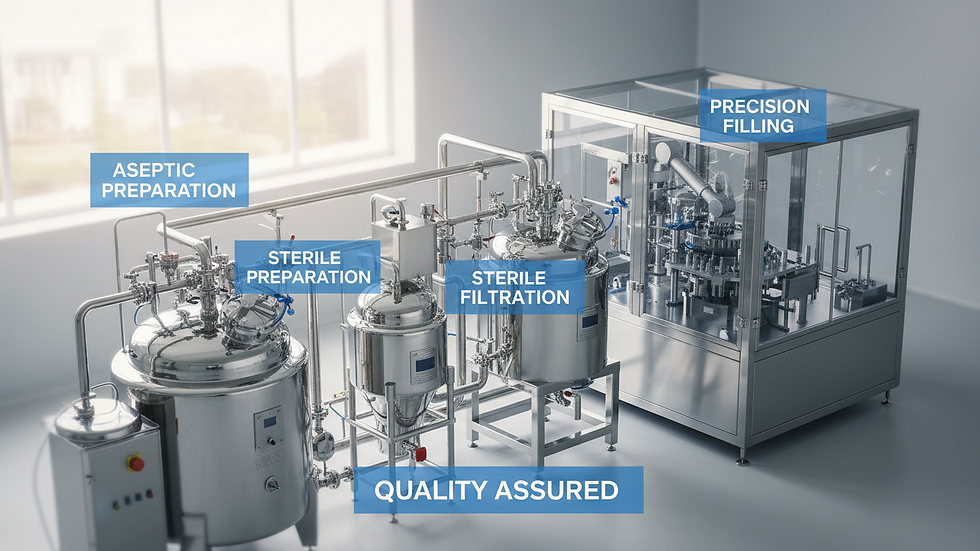
The manufacturing process involves stringent aseptic techniques, validated sterilization methods, and controlled environments to maintain product integrity. Sterile injectables are used in various therapeutic areas such as oncology, vaccines, antibiotics, and biologics. Their formulation requires precise control over factors like pH, osmolality, and particulate matter to ensure safety and efficacy.
Regulatory Framework and Quality Standards for Sterile Injectable Formulations in India
India's pharmaceutical industry operates under a robust regulatory framework that aligns with international standards. The Central Drugs Standard Control Organization (CDSCO) oversees the approval and monitoring of sterile injectable products. Compliance with Good Manufacturing Practices (GMP), particularly WHO-GMP certification, is mandatory for manufacturers.
Sterile injectable formulations must undergo rigorous quality control tests, including sterility testing, endotoxin testing, and particulate matter analysis. Validation of sterilization processes such as autoclaving, filtration, or radiation is essential. Additionally, environmental monitoring of manufacturing areas ensures contamination control.
Contract manufacturers like farbe firma pvt ltd play a vital role in providing WHO-GMP certified sterile injectable formulations. Their expertise in aseptic processing and quality assurance supports global pharmaceutical companies in meeting regulatory requirements and market demands.
Who are the big 5 in pharma?
The pharmaceutical industry is dominated by several multinational corporations known for their extensive product portfolios and global reach. While India hosts numerous significant players, the "Big 5" in the global pharmaceutical sector typically include:
Pfizer - Renowned for vaccines and innovative therapies.
Roche - Leader in oncology and diagnostics.
Novartis - Diverse portfolio including generics and patented drugs.
Johnson & Johnson - Broad healthcare products including injectables.
Merck & Co. - Focus on vaccines, oncology, and infectious diseases.
Indian pharmaceutical companies are increasingly collaborating with these global giants through contract manufacturing and development partnerships. This synergy enhances access to advanced sterile injectable technologies and expands market penetration.
Manufacturing Technologies and Innovations in Sterile Injectable Formulations
The production of sterile injectables involves advanced technologies to ensure product safety and efficacy. Key manufacturing technologies include:
Aseptic Filling: Automated systems fill sterile products in controlled environments to minimize contamination risks.
Lyophilization (Freeze-Drying): Converts liquid formulations into stable powders, enhancing shelf life and stability.
Emulsion Technology: Produces stable oil-in-water or water-in-oil emulsions for drugs with poor water solubility.
Advanced Sterilization Methods: Use of filtration, gamma irradiation, or ethylene oxide for terminal sterilization.
Continuous innovation in process analytical technology (PAT) and real-time monitoring improves batch consistency and reduces production downtime. These advancements are critical for meeting the stringent quality standards required for injectable products.
Contract manufacturing organizations specializing in sterile injectables invest heavily in state-of-the-art facilities and skilled personnel to deliver reliable and compliant products. This ensures that global healthcare providers receive formulations that meet therapeutic and regulatory expectations.
Challenges and Opportunities in the Indian Sterile Injectable Market
The sterile injectable market in India faces several challenges, including:
Regulatory Compliance: Maintaining WHO-GMP certification requires continuous investment in infrastructure and training.
Supply Chain Complexity: Sourcing high-quality raw materials and managing cold chain logistics for temperature-sensitive products.
Technological Upgradation: Keeping pace with evolving manufacturing technologies and automation.
Skilled Workforce: Recruiting and retaining trained professionals in aseptic processing and quality control.
Despite these challenges, the market presents significant opportunities:
Growing Domestic Demand: Increasing healthcare awareness and expanding hospital infrastructure drive demand for sterile injectables.
Export Potential: India’s cost-effective manufacturing and compliance with international standards position it as a preferred supplier globally.
Contract Manufacturing Growth: Pharmaceutical companies worldwide seek reliable partners for sterile injectable production, boosting CDMO business.
Innovation in Biologics: Rising focus on biosimilars and novel biologics requires advanced sterile manufacturing capabilities.
Strategic investments and partnerships can help Indian manufacturers capitalize on these opportunities, enhancing their global footprint.
Strategic Role of Contract Manufacturing in Sterile Injectable Formulations
Contract manufacturing organizations (CMOs) and contract development and manufacturing organizations (CDMOs) are pivotal in the sterile injectable sector. They offer comprehensive services from formulation development to commercial-scale production. This model allows pharmaceutical companies to:
Reduce Capital Expenditure: Avoid large investments in specialized sterile manufacturing facilities.
Accelerate Time-to-Market: Leverage the expertise and infrastructure of established CMOs.
Ensure Regulatory Compliance: Benefit from the CMO’s experience with global regulatory submissions and audits.
Focus on Core Competencies: Allocate resources to research, marketing, and distribution.
A WHO-GMP certified CMO like farbe firma pvt ltd exemplifies the ideal partner, providing high-quality sterile injectable formulations including liquid ampoules, vials, lyophilized products, and emulsions. Their commitment to quality and compliance supports pharmaceutical companies in delivering safe and effective therapies worldwide.
Future Trends in Sterile Injectable Formulations
The sterile injectable market is evolving with several emerging trends:
Prefilled Syringes and Auto-Injectors: Enhancing patient convenience and dosing accuracy.
Nanotechnology-Based Injectables: Improving drug delivery and targeting.
Sustainability Initiatives: Adoption of eco-friendly packaging and energy-efficient manufacturing.
Digitalization and Industry 4.0: Integration of IoT, AI, and data analytics for process optimization and quality control.
Manufacturers investing in these trends will be better positioned to meet future healthcare needs and regulatory expectations. Collaboration between pharmaceutical companies and specialized CMOs will continue to drive innovation and efficiency in sterile injectable production.
Sterile injectable formulations represent a complex yet vital segment of the pharmaceutical industry. India’s growing capabilities, supported by WHO-GMP certified manufacturers like farbe firma pvt ltd, enable the delivery of high-quality, compliant products to global markets. Understanding the technical, regulatory, and operational aspects of sterile injectables is essential for stakeholders aiming to navigate this dynamic sector successfully.


Comments