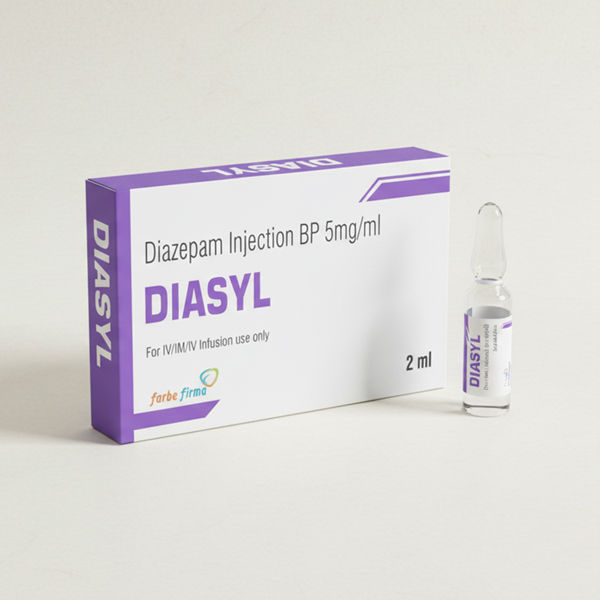
Doxapram Injection
What is Doxapram Injection?
Doxapram Injection is a potent analeptic agent (respiratory stimulant) used to treat patients with acute respiratory insufficiency. It acts rapidly to increase the depth and rate of breathing. It is primarily utilized in intensive care and surgical settings to reverse the respiratory depressant effects of anesthetics or narcotic analgesics and to hasten arousal after surgery.
Uses of Doxapram Injection
Treatment of post-operative respiratory depression following general anesthesia.
Management of acute respiratory failure superimposed on Chronic Obstructive Pulmonary Disease (COPD).
Stimulation of deep breathing in patients to reduce post-operative pulmonary complications.
Treatment of mild to moderate Central Nervous System (CNS) depression due to drug overdose.
Promotion of rapid arousal and return of laryngopharyngeal reflexes after surgical procedures.
How Does Doxapram Injection Work?
Doxapram works through a dual mechanism: it stimulates the peripheral chemoreceptors in the carotid bodies and, at higher doses, directly stimulates the respiratory centers in the medulla oblongata. This increases the tidal volume (the amount of air inhaled) and slightly increases the respiratory rate, thereby improving oxygenation and reducing carbon dioxide levels in the blood.
FAQs on Doxapram Injection
1. Is Doxapram a substitute for mechanical ventilation? No, Doxapram is intended as a temporary measure to stimulate spontaneous breathing. It should not be used in place of mechanical ventilation in patients with severe respiratory failure, but rather as an adjunct in specific clinical scenarios where rapid arousal is required.
2. Can Doxapram be used to reverse opioid-induced respiratory depression? While Doxapram can antagonize the respiratory depression caused by opioids, it is not a specific opioid antagonist like Naloxone. Unlike Naloxone, Doxapram stimulates breathing without reversing the analgesic (pain-relieving) effects of the opioid.
3. What are the common cardiovascular side effects of Doxapram? Because Doxapram stimulates the CNS, it can lead to a moderate increase in blood pressure and heart rate. It is generally avoided in patients with severe hypertension, coronary artery disease, or a history of heart failure.
4. How quickly does the medication start working? Doxapram has a very rapid onset of action, typically showing effects within 20 to 40 seconds of an intravenous injection. However, its duration is short (lasting about 5–12 minutes), which is why it is often administered via a continuous infusion for sustained effect.
Therapeutic Category
CNS & Neurology (Respiratory Stimulant / Analeptic)
Looking for a reliable Doxapram Injection manufacturer? Contact Farbe Firma Pvt. Ltd. for dossier support, registration assistance, and export supplies.
Product Name
Doxapram Injection
Trade Name
Doxasyl
Available Strength
20 mg/ml
Packing
10 ml, 20 ml
Therapeutic Use
Respiratory stimulant for post-anesthesia recovery and drug-induced respiratory depression.