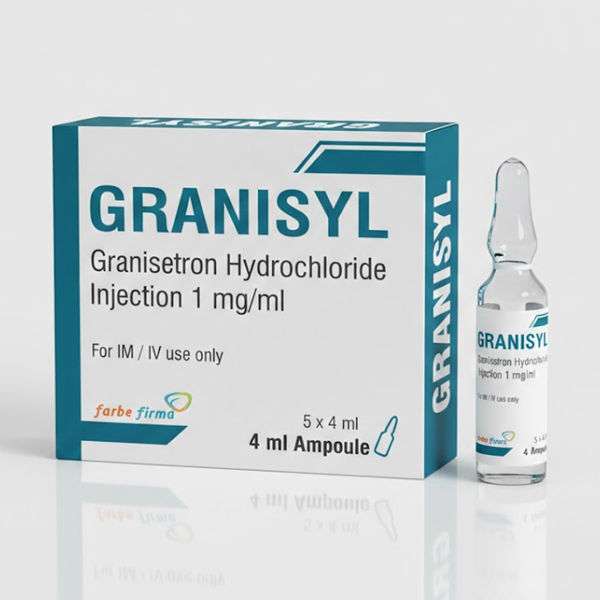

Granisetron Hydrochloride Injection
What is Granisetron Hydrochloride Injection?
Granisetron Hydrochloride Injection is a potent, highly selective 5-HT3 receptor antagonist. It is a specialized antiemetic used primarily in oncology to manage the side effects of aggressive treatments. Unlike older anti-nausea medications, Granisetron specifically targets the chemical triggers caused by cellular damage during cancer therapy, making it a gold standard for patients undergoing highly emetogenic chemotherapy (HEC).
Uses of Granisetron Hydrochloride Injection
Chemotherapy-Induced Nausea and Vomiting (CINV): Prevention of acute and delayed symptoms in patients receiving emetogenic cancer medications.
Radiotherapy-Induced Nausea and Vomiting (RINV): Management of nausea in patients receiving total body irradiation or repeated high-dose fractions to the abdomen.
Postoperative Nausea and Vomiting (PONV): Prevention and treatment of nausea following surgical procedures under general anesthesia.
Off-label Gastrointestinal Support: Occasionally used in severe cases of viral gastroenteritis or hyperemesis gravidarum when other treatments fail.
How Does Granisetron Hydrochloride Injection Work?
During chemotherapy or radiotherapy, mucosal cells in the gastrointestinal tract are damaged, releasing Serotonin (5-HT). This serotonin binds to 5-HT3 receptors located on the vagus nerve and in the Chemoreceptor Trigger Zone (CTZ) of the brain, sending a signal to the "vomiting center." Granisetron works by competitively blocking these 5-HT3 receptors. By preventing serotonin from binding, it effectively "mutes" the signal that triggers the physical urge to vomit.
FAQs on Granisetron Hydrochloride Injection
1. How long before chemotherapy should Granisetron be administered? For maximum efficacy, the injection is typically administered within 30 minutes before the start of chemotherapy. Its effects can last for up to 24 hours, providing extended protection for the patient.
2. Does Granisetron cause the same drowsiness as older antihistamines? No. Granisetron is highly selective for 5-HT3 receptors and does not significantly interact with dopamine, histamine, or muscarinic receptors. Consequently, it has a much lower incidence of sedation and extrapyramidal side effects compared to drugs like Promethazine or Metoclopramide.
3. Are there any cardiac concerns with this medication? Like other 5-HT3 antagonists, Granisetron can potentially cause a slight prolongation of the QT interval on an ECG. While generally safe, it should be used with caution in patients with known underlying heart rhythm conditions or those taking other medications that affect the heart's electrical activity.
Therapeutic Category
Gastrointestinal (Antiemetic / 5-HT3 Receptor Antagonist)
Looking for a reliable Granisetron Hydrochloride manufacturer? Contact Farbe Firma Pvt. Ltd. for dossier support, registration assistance, and export supplies. We provide high-quality oncology support injectables manufactured under strict WHO-GMP compliance in our sterile facility.
Product Name
Granisetron Hydrochloride Injection
Trade Name
Granisyl
Available Strength
1 mg/ml
Packing
1 ml, 3 ml, 4 ml
Therapeutic Use