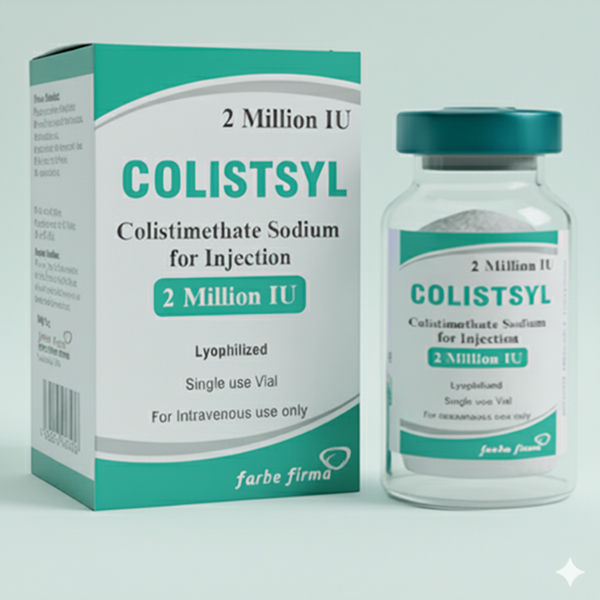
Pentamidine Isethionate for Injection
What is Pentamidine Isethionate for Injection?
Pentamidine Isethionate for Injection is a potent antiprotozoal and antimicrobial medication. It is primarily used to treat severe pneumonia caused by the fungus Pneumocystis jirovecii, particularly in patients with compromised immune systems, such as those with HIV/AIDS or organ transplant recipients. Additionally, it serves as a critical second-line treatment for various forms of leishmaniasis and African sleeping sickness.
Uses of Pentamidine Isethionate for Injection
Pneumocystis Pneumonia (PCP): Treatment of severe lung infections when other first-line treatments (like Sulfamethoxazole/Trimethoprim) cannot be used.
PCP Prophylaxis: Prevention of pneumonia in high-risk, immunocompromised patients.
Visceral Leishmaniasis: Treatment of "Kala-azar," a parasitic disease transmitted by sandflies.
Cutaneous Leishmaniasis: Management of skin sores caused by the Leishmania parasite.
African Trypanosomiasis: Treatment of the early stages of "Sleeping Sickness" caused by Trypanosoma brucei gambiense.
How Does Pentamidine Isethionate for Injection Work?
The exact mechanism is complex, but Pentamidine is believed to interfere with the nuclear metabolism of the pathogen. It inhibits the synthesis of DNA, RNA, proteins, and phospholipids. By binding to the minor groove of the DNA and interfering with topoisomerase enzymes, it prevents the parasite or fungus from replicating, eventually leading to its death.
FAQs on Pentamidine Isethionate for Injection
1. How is Pentamidine Isethionate administered? It can be administered via intramuscular (IM) injection or intravenous (IV) infusion. For the treatment of pneumonia, IV infusion is the preferred route and must be given slowly (over 60 to 120 minutes) to prevent a sudden drop in blood pressure.
2. Why is blood sugar monitoring important during treatment? Pentamidine can be toxic to the pancreas, which may lead to sudden hypoglycemia (low blood sugar) or, in some cases, delayed diabetes (hyperglycemia). Patients must have their blood glucose levels monitored daily during the course of therapy.
3. What are the common side effects to monitor? Common side effects include kidney dysfunction (nephrotoxicity), low blood pressure (hypotension), and cardiac arrhythmias (QT prolongation). Due to these risks, treatment is usually conducted in a hospital setting where the patient's vital signs and lab values can be closely observed.
Therapeutic Category
Anti-Infectives (Antiprotozoal)
Looking for a reliable Pentamidine Isethionate for Injection manufacturer? Contact Farbe Firma Pvt. Ltd. for dossier support, registration assistance, and export supplies. We provide high-quality sterile injectables produced in our WHO-GMP compliant facility to meet global health needs.
Product Name
Pentamidine Isethionate for Injection
Trade Name
Pentasyl ISE
Available Strength
300 mg
Packing
Lyo Vial
Therapeutic Use
Treatment and prevention of Pneumocystis jirovecii pneumonia (PCP) and certain parasitic infections.