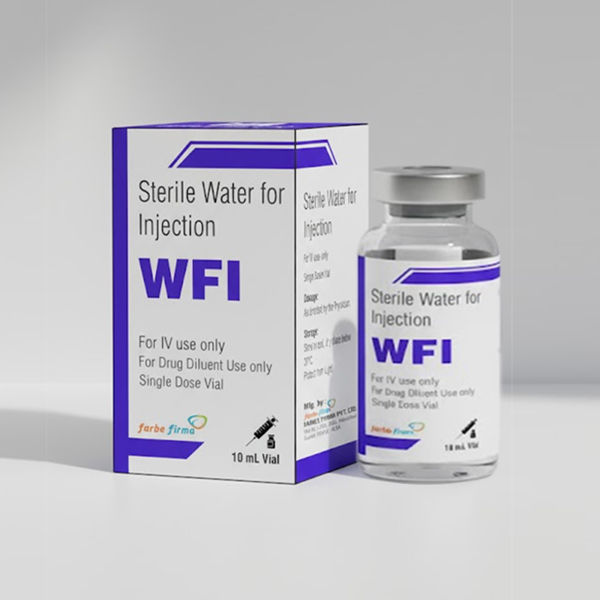
Sodium Acetate Injection
What is Sodium Acetate Injection?
Sodium Acetate Injection is a concentrated, sterile solution of sodium acetate in water. It is used primarily as an additive for intravenous (IV) fluids. It serves as a source of sodium ions for patients who cannot take oral nutrition or fluids and acts as a metabolic precursor to bicarbonate, helping to manage the body’s acid-base balance during clinical care.
+1
Uses of Sodium Acetate Injection
Electrolyte Replenishment: To prevent or treat sodium deficiency (hyponatremia) in patients receiving Total Parenteral Nutrition (TPN).
Metabolic Alkalization: To correct metabolic acidosis by providing acetate, which the body converts into bicarbonate.
TPN Additive: Used as a component in large-volume intravenous fluids to provide necessary electrolytes for long-term hospital patients.
Alternative to Sodium Chloride: Often preferred when a patient requires sodium but has high chloride levels (hyperchloremia).
Kidney Support: Assisting in the management of renal conditions where acid-base regulation is impaired.
How Does Sodium Acetate Injection Work?
Sodium Acetate provides sodium, the principal cation of the extracellular fluid, which is essential for maintaining water distribution and osmotic pressure. Once in the body, the acetate ions are metabolized (primarily by the liver and muscles) into bicarbonate ions. This conversion helps neutralize excess acid in the blood and tissues, effectively raising the blood pH and restoring acid-base equilibrium.
+1
FAQs on Sodium Acetate Injection
1. Can Sodium Acetate Injection be administered directly? No. Sodium Acetate is a concentrated solution and must be diluted in a larger volume of compatible intravenous fluid (such as Dextrose or sterile water) before administration to avoid electrolyte imbalance or vein irritation.
2. Why is Sodium Acetate used instead of Sodium Bicarbonate? Sodium Acetate is more stable when added to Total Parenteral Nutrition (TPN) mixtures. Unlike bicarbonate, it does not typically react with calcium or magnesium in the TPN bag to form dangerous precipitates (solid particles).
3. Are there any risks for patients with liver disease? Since acetate is converted to bicarbonate in the liver and muscles, patients with severe liver impairment may have a reduced ability to metabolize the drug. In such cases, medical professionals monitor blood pH and electrolyte levels very closely.
4. How is the dosage determined? The dose is highly individualized based on the patient's age, body weight, clinical condition, and laboratory results (blood gas analysis and electrolyte panels).
Looking for a reliable Sodium Acetate Injection manufacturer? Contact Farbe Firma Pvt. Ltd. for dossier support, registration assistance, and export supplies.
Product Name
Sodium Acetate Injection
Trade Name
Electrosyl SA
Available Strength
4 mEq/mL
Packing
100 ml
Therapeutic Use
Source of sodium for electrolyte replenishment and an alkalizing agent in parenteral nutrition.